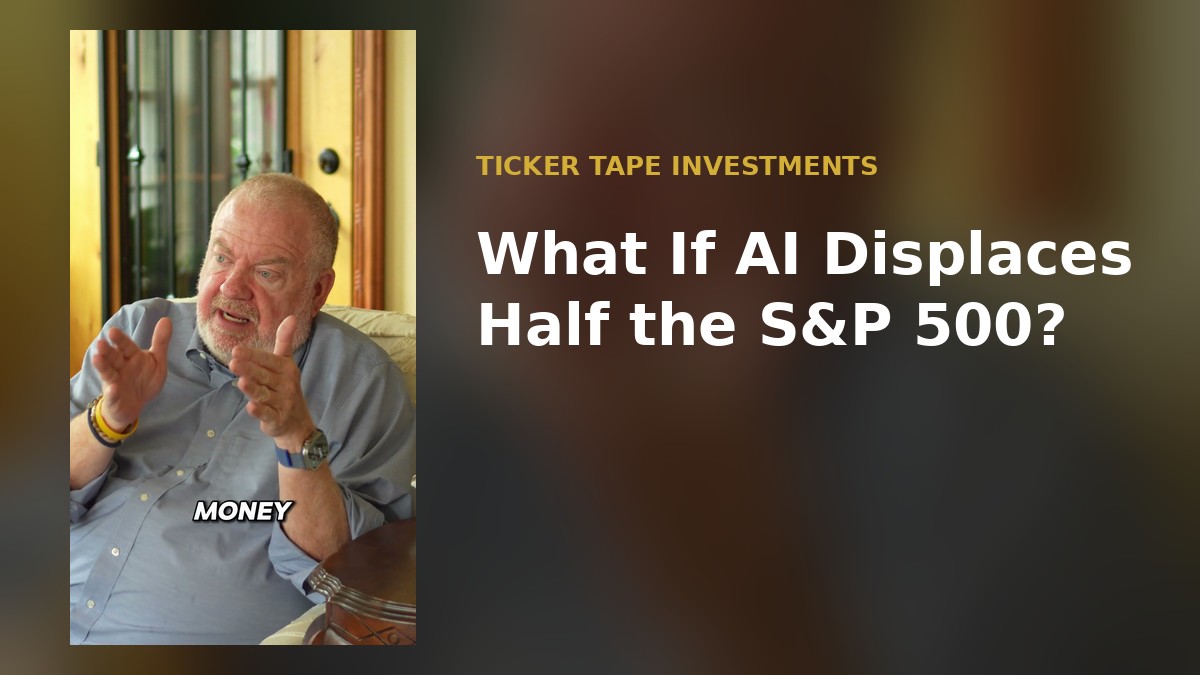

In the clip shared here, an investor describes putting all his money into the stock market during the COVID crash because he saw it as an overreaction, and doubling his money in 12 months. He saw the same overreaction when the market fell about 25% after tariffs were announced. The 2007 financial crash, tariff day in April and the COVID crash were all examples of the market overreacting on the downside.
But markets also overreact on the upside. When there’s a lot of euphoria, it’s easy to assume the market will keep rising, get in at the top and lose a lot of money. The real skill is recognizing when fear or euphoria has pushed prices away from reality. Tom did something similar in COVID, using options to take advantage of what was clearly an oversold market.
Key points
- The 2007 crash, the COVID crash and the April tariff selloff were downside overreactions.
- Buying during those overreactions has paid off for some investors.
- Markets also overreact on the upside, and buying into euphoria can mean buying the top.
- The skill is spotting when fear or euphoria has pushed prices away from reality.
Accredited investors: learn about current opportunities at tickertapeinvestments.com.